A new collaboration

Have you ever wondered where that lovesick rooster/guitarist that identifies me on the home page of this website comes from? It’s a creation of the visual artist Manu, who also created the whole superb cover of my second album, Rumeurs dans la basse-cour (Rumours in the barnyard), in 1977.  At the time, we even had a large cardboard cut-out of the rooster on stage with me when I played!

After so many years of friendship, even with little contact brought on by our respective work, I am very proud to announce a new collaboration with Manu and his associate Marie-Laure in the production of videos which represent living quotations of one of the greatest Canadians, Jean Vanier. Philosopher, theologian and humanitarian, Jean Vanier founded L’Arche, an international federation of communities for people with developmental disabilities and those who assist them.

Here is the first “living quotation.” This represents a new way of letting people discover the richness of the message through a sequence of images enhanced by music. It’s also a first try so please share your comments.

posted by R.A.Seguin in Blogue and have No Comments

The South Wind

When I was sixteen, way before I knew that Celtic music existed, I heard the first recording of Scottish guitarist Bert Jansch (1943-2011). Try as I might, I could not figure out how he got the notes on some of his songs – they sure weren’t on my guitar! Later I learned that Jansch, and many other guitarists involved in the 60s renaissance of traditional folk music in Britain, used alternate ways of tuning the guitar, called open tunings. These alternate tunings allowed the guitar to resonate more than the standard tuning.The most popular tuning for Celtic music was and still is DADGAD, so called for the notes at which the six guitar strings are tuned. Several of my own compositions are in alternate tunings – I think I use six different ones in all.

“The South Wind” is an Irish air composed in the 1700s by a man called Freckled Donal MacNamara. The lyrics speak of estrangement and the south wind bringing the wayward sailor back home. Irish airs are Sean-nós (Gaelic for “old-style”) songs sung without accompaniment and their beautiful melodies also translate well to different traditional instruments like the fiddle and the tin whistle but also to the guitar, thanks to those guitarists who spearheaded the folk music revival in Britain (Davy Graham, Bert Jansch, Martin Carthy John Renbourne, et al.). I play “The South Wind” in DADGAD and my arrangement is based on the playing of American guitarist Pat Kirtley, with one or two ornaments used by John Renbourne.

Here‘s “The South Wind.”


The South Wind

posted by R.A.Seguin in Non classé and have No Comments

Once was lost, now is found

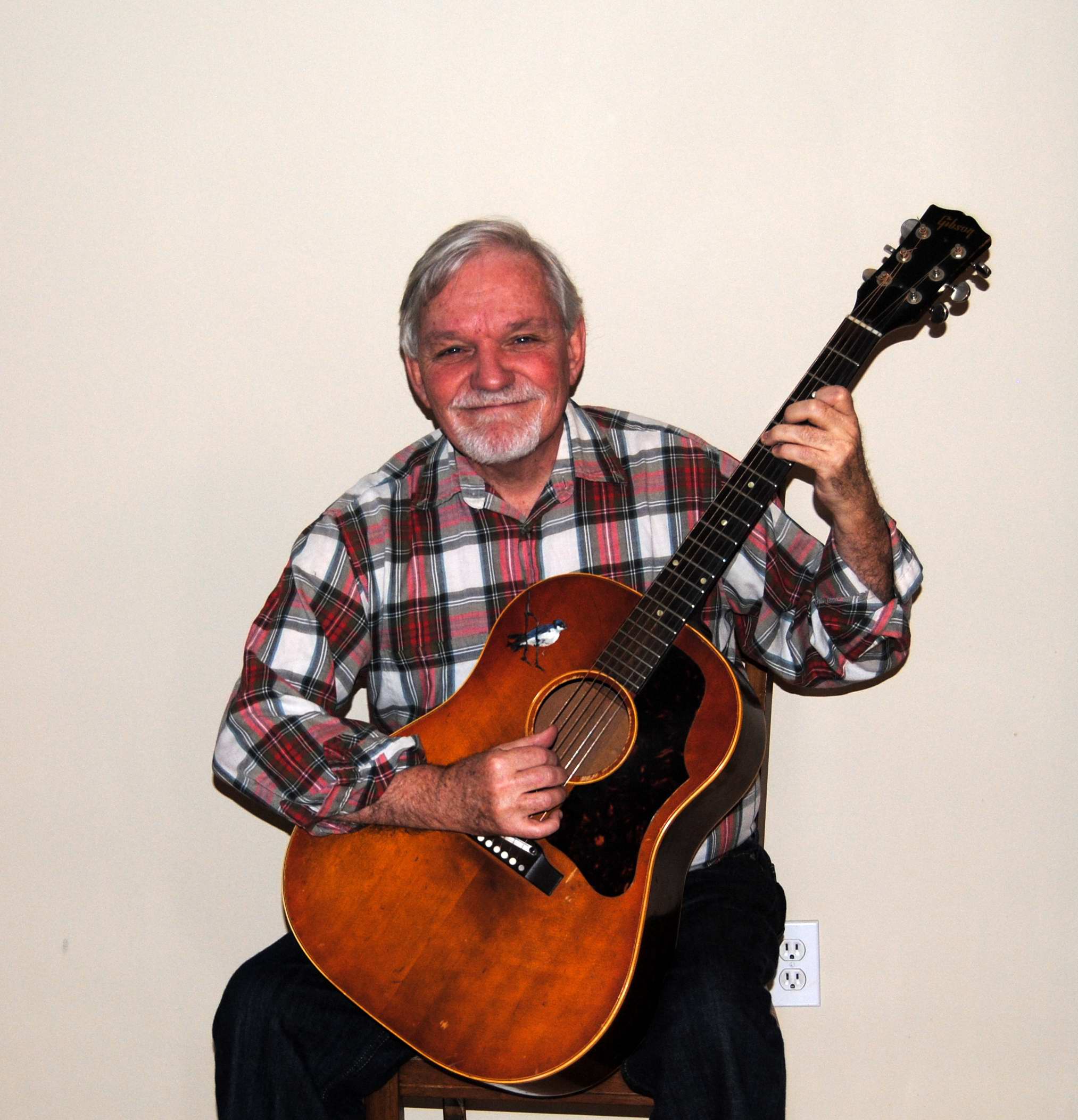
When I was a teenager, the folk revival was in full swing and I heard several exiting artists, some on records, some on TV, including singer/guitarist Mississippi John Hurt (1892 – 1966). His style of picking the guitar with his fingers captivated me and convinced me that I had to go toward acoustic music and learn how to fingerpick like him. I bought my first acoustic guitar, a used Gibson J-45. It is with this guitar that I later started to write my own acoustic guitar compositions which eventually led to my first recording, Première chute, in 1975, recorded entirely with my Gibson J-45. I had also bought a few instructional books by Stefan Grossman, a New York guitarist who has devoted his entire life to teaching people how to play the music he loves – blues, ragtime and celtic pieces. I started to teach myself how to fingerpick.

In 1976, I met luthier/guitarist Marc Beneteau, a big part of my second and third albums, and wanted him to build me a guitar. To pay for this new guitar, I sold my Gibson J-45 to Roch Tassé, a good friend from Rockland who played various percussion instruments on the same recordings as Marc. Afterwards, I lost track of Roch for more than 30 years – life; it interferes with everything. But once was lost, now is found – Roch and I met before Christmas, thanks to another friend, and he lent me his Gibson J-45.

Roch Tassé

Roch Tassé

Roch took very good care of the guitar. At the time, I had painted a bluebird on the guitar top because of Stephen Stills’ “Bluebird”, one of my all-time favourite songs, which he recorded with Buffalo Springfield. The bluebird is intact and looking at the guitar and playing it brings back memories of those days when I was learning how to fingerpick. Of course, I wanted to record something with my old guitar and chose “Katz Rag”, one of the first pieces I learned how to fingerpick from one of Stefan Grossman’s instructional books. I remember that my arrangement of the piece was closer to the Reverend Gary Davis (1896 – 1972), one of my favourites, who attacked the guitar with a wonderful abandon that I tried to bring into my playing. I remember my arrangement, which I haven’t played in 40 years, but I forget practically everything else from one day to the next! Go figure.

The Gibson J-45

The Gibson J-45

I always thought that “Katz Rag” was written by Steve Katz, another New York guitarist and friend of Grossman’s who went on to some fame with the very popular group Blood, Sweat and Tears. I recently communicated with Grossman through his website and learned that the piece started its development with Dave Van Ronk, another of the brotherhood of New York guitarists and a good friend of Bob Dylan. Van Ronk then taught it to Steve Katz, who taught it to Stefan Grossman, who recorded it and included it in his teaching material, what Grossman referred to as the “folk process”!

Thanks Roch. Here’s my version of “Katz Rag” played on an old guitar with an old sound.


Katz Rag

posted by R.A.Seguin in Non classé and have No Comments

Ry Cooder and the music of others

When I was a boy, all the music I heard was original – Chuck Berry, Little Richard, Buddy Holly and many others wrote their own material. Others had favourite songwriters, like Otis Blackwell., who wrote a number of hits for Elvis Presley and Jerry Lee Lewis, or Jerry Leiber and Mike Stoller, who wrote hits for almost everybody. Indeed, original music has always formed the vast majority of popular music. It never occurred to me at that time that musicians would play music written by other people. Why would anyone want to do that?

In 1956, my parents bought their first television set and, like almost all of Canada, I heard the maritime fiddler Don Messer (1909-1973) on CBC’s extremely polular show, “Don Messer’s Junilee.” Messer specialized not only in other people’s music but in music from foreign countries, mainly Scotland and Ireland. It was the first time I realized that music extended beyond North America.

Later on in the 60s, I started listening to Doc Watson (1923-2012) and traditional American music became a life-long passion. I had the chance to hear Doc and his son Merle (1949-1885) in concert and the respect with which he approached traditional music was certainly the most important music lesson I ever learned. At the same time, folk music boomed and I heard Jim Kweskin’s Jug Band, who played

music from the early 20th century with objects like washboards, jugs, washtubs and combs. More and more, I was listening to music from the past.

In the early 70s, Ry Cooder became a veritable apostle for traditional music, breathing new life into songs from the depression era and the early beginnings of jazz and blues. Winner of six Grammy awards, Cooder extended his work to the music of other cultutres and collaborated with Tex-Mex accordionist Flaco Jiminez, Hawaiian musicians Gabby Pahinui and Atta Isaacs, Hindustani classical musician V.M. Bhatt, a virtuoso of the Mohan Veena, a modified 20-string guitar of Bhatt’s own invention, and Ali Farka Touré a Malian singer and multi-instrumentalist and one of Africa’s most internationally renowned musicians. Cooder also played a significant role in the increased appreciation of traditional Cuban music, due to his collaboration as guitarist and producer of the Buena Vista Social Club recording, which became a worldwide hit and revived the careers of some of the greatest surviving exponents of

20th century Cuban music. In my estimation, Cooder also played a very significant part in the thaw in Cuban-American relations, so much in the news today.

I have chosen to play two pieces which exemplify Ry Cooder’s ability to find forgotten music and reanimate it. The first piece, “Great Dreams From Heaven”, comes from Bahamian singer-guitarist Joseph Spence (1910-1984), the son of a pastor who played gospel and Bahamian songs, mostly recorded on his porch with the sound of his

children playing in the background. Fritz Richmond, jug player in the Jim Kweskin Jug Band, recorded one of Spence’s albums called “Happy All The Time”, an apt summary of the man and his music.


Great Dreams From Heaven


This second piece comes from Ry Cooder’s extensive work in film soundtracks. Entitled “I Always Knew You Were The One”, this piece is an unbelievably romantic waltz from the cowboy era, taken from the soundtrack of

Walter Hill’s western film, “The Long Riders.”


I Always Knew You Were The One
posted by R.A.Seguin in Non classé and have No Comments

“Maria Elena” – the song that changed everything

By the early 60s, the first wave of Rock and Roll was over – Chuck Berry was arrested in 1959 on Mann Act charges and spent four years in jail; Little Richard got religion and formed the Little Richard Evangelistic Team, traveling across the USA to preach; Elvis was drafted in the Army; Jerry Lee Lewis was ostracized for marrying his 13-year-old cousin; other greats like Buddy Holly and Eddie Cochran had died in tragic accidents – Holly was 23, Cochran 21.
Popular music at that time was dominated by crooners like Pat Boone and the Bobbies (Vinton, Vee, Rydell, Darin, Curtola, Tillotson, Burnette, etc.). I couldn’t understand what had happened to that great music of the fifties and I felt lost without it. I was growing into adolescence and the world outside was changing – it was the time of the Cold War, racial riots, the Cuban missile crisis. Rockland tested a public alarm system in case of a nuclear attack and no sooner had I started high school that JFK was assassinated. I looked back at the happy years of my youth, remembering A.E. Housman’s words :
“ That is the land of lost content / I see it shining plain / The happy highways where I went / And cannot come again.”
As I started high school, I sensed a dread I could not name stretching out before me. I didn’t want to take part in this violent senseless world but everyone said I had to – you were expected to get a job, marry, raise a family. I had no faith in my abilities to go that route because I had no abilities – I was just a 13-year-old kid lost and drowning in this alien adult sea. And then I heard “Maria Elena” on the radio. And it was my salvation.
Maria Elena” was written in 1932 by Mexican composer Lorenzo Barcelata and the song was recorded by several musicians like Jimmy Dorsey and Lawrence Welk. It found its way into the repertoire of two native Indian brothers from the Tabajaras region of Brazil, Natalicio and Antenor Lima, who called themselves Los Indios Tabajaras (The Indians of Tabajaras). The Lima brothers were virtuoso guitarists and their magnificent recording of “Maria Elena” was a world-wide hit in 1963. I had previously developed a liking for instrumental guitar music, thanks to Link Wray and Duane Eddy who graced my brother Gabriel’s record collection, but the fluid and lyrical playing of Los Indios Tabajaras was way beyond anything I had ever heard before. Without realizing why, I immediately knew, the first time I heard the song, that I had to learn to play the guitar. Looking back, I must have thought that having that ability would give me shelter from the coming storm or that it would perhaps give me, an inconsequential kid from nowhere, some kind of an identity, the most essential thing for a young teenager.
There were only two problems: one, I had no guitar; two, I didn’t know anything about playing one! My parents certainly didn’t have the money to spend on guitars and music lessons so I was on my own. But fate stepped in – my older brother Bob returned home from a brief stint in the seminary with a new haircut and a new guitar, borrowed from a friend. I begged my brother to show me where to place my fingers on the guitar so that I might play the opening two bars of the melody of “Maria Elena.” He did, and that simple act of kindness changed my life. My brother and I have often reminisced about that seemingly insignificant gesture, my brother with great pride, me with eternal gratitude. From then on, I borrowed guitars, I looked at where other players placed their fingers on the fretboard, I listened, I practiced and I taught myself how to play. All I needed was that first push from my brother.
And now, more that 50 years later, it’s time to listen to “Maria Elena” and remember 1963.
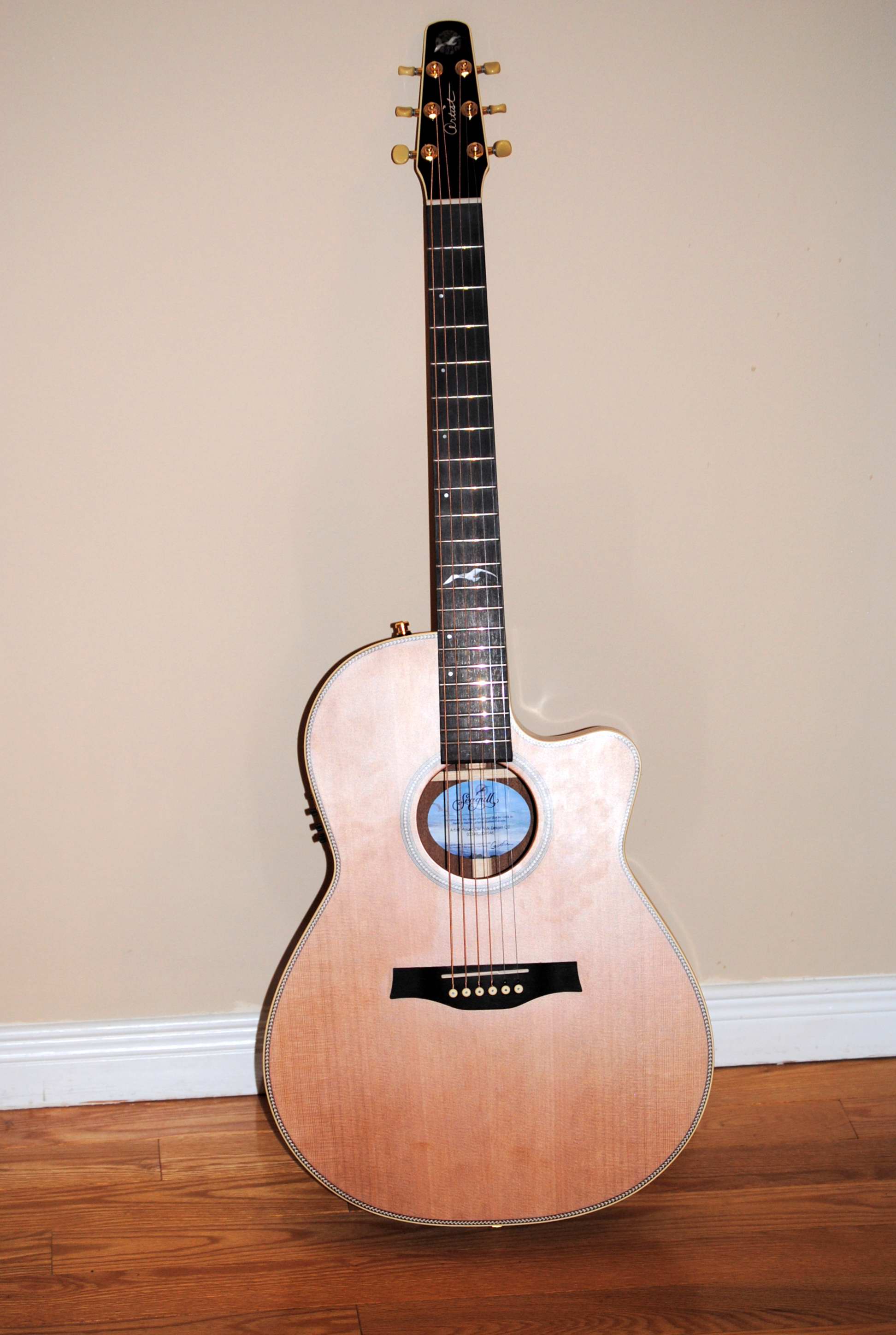
Godin Artist Series

Godin Artist Series

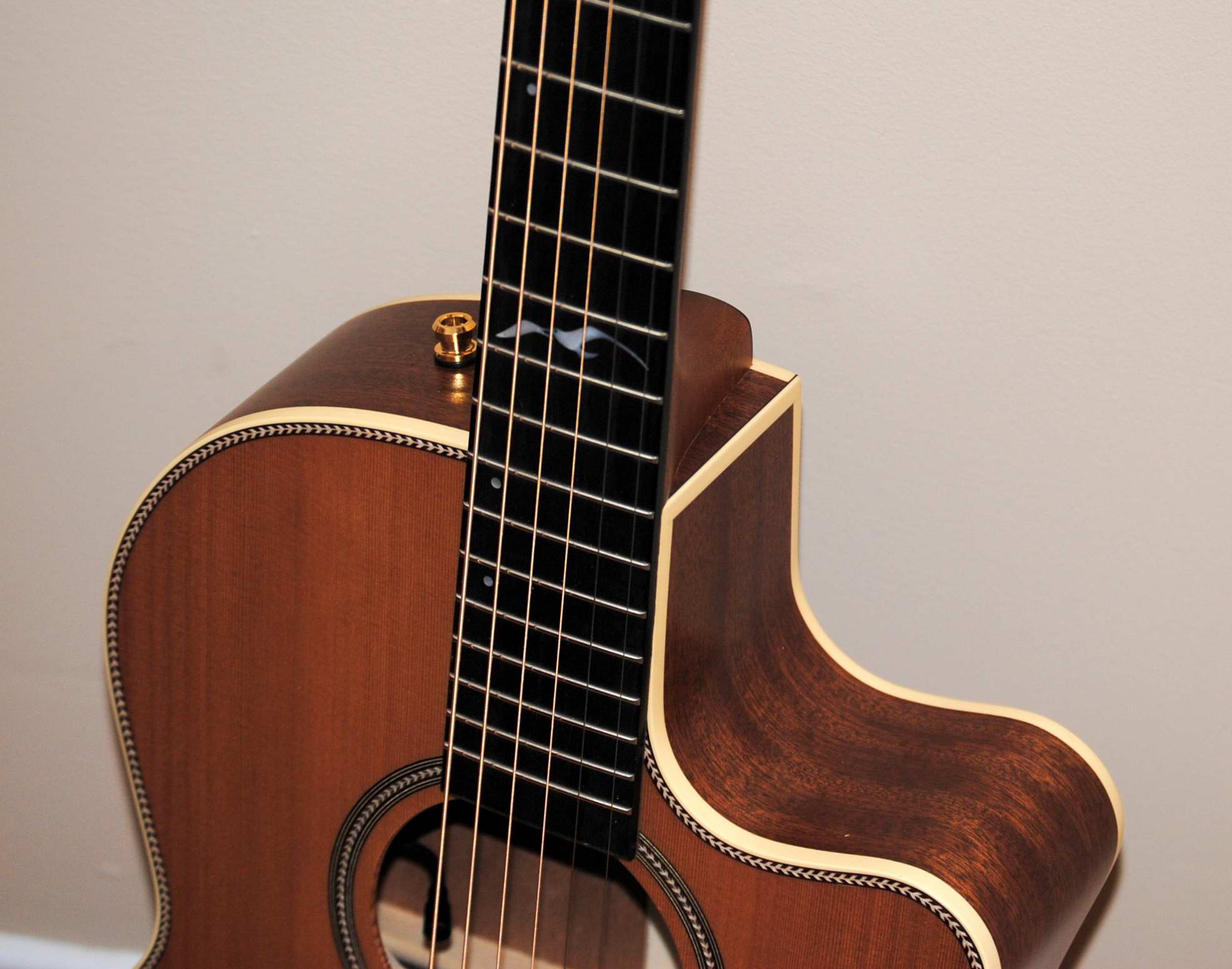
This is my first recording using my new Godin Artist Series Seagull guitar.

Interesting fact: Buddy Holly’s widow’s name is Maria Elena.


Maria Elena

posted by R.A.Seguin in Non classé and have No Comments

A Child’s Dream

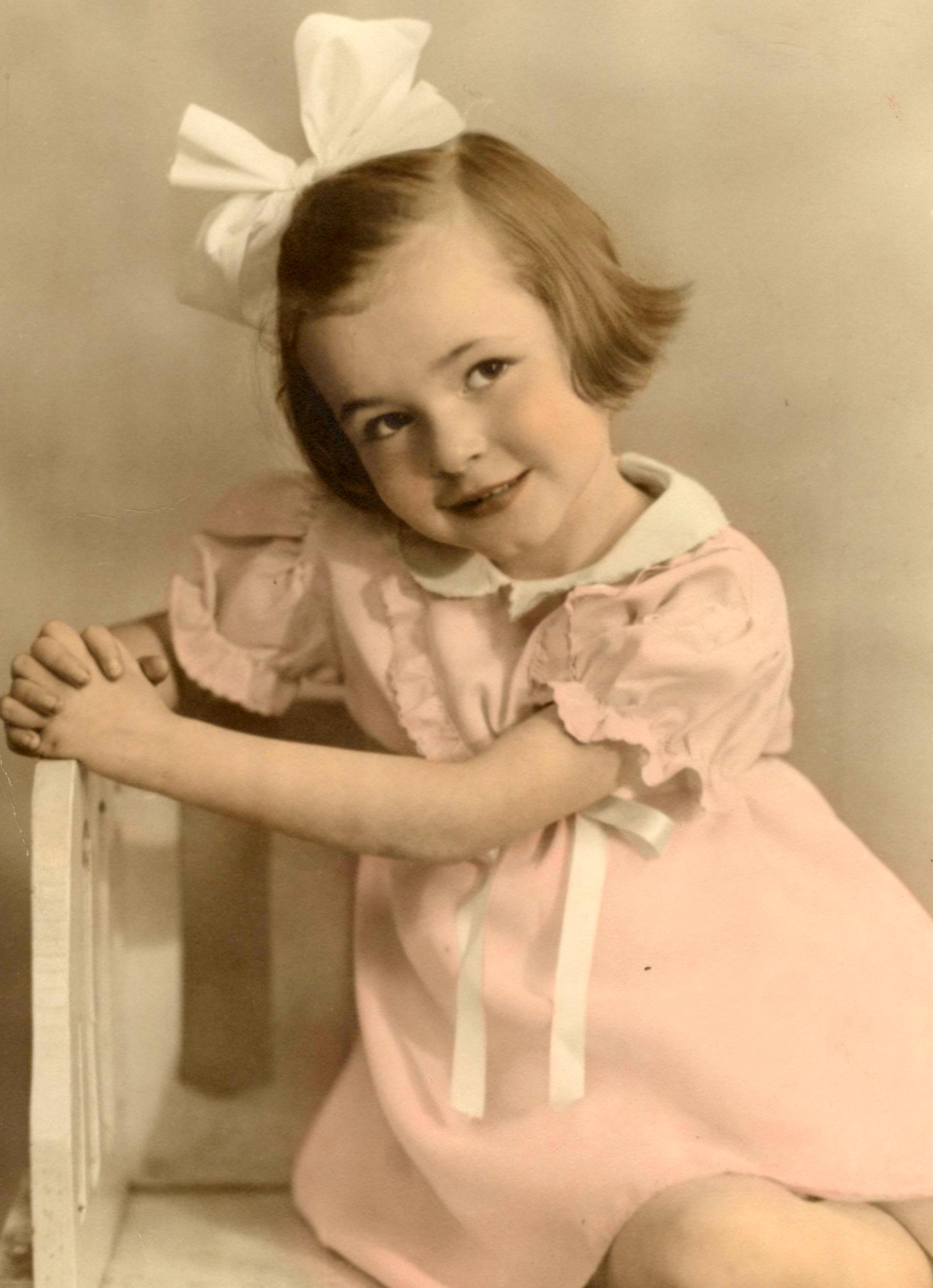
This new banjo composition sounds to me like a music box, a melody from a different time, and I immediately

Marielle

Marielle

thought of this superb photo of my sister Marielle, when she was 5. I was so lucky to have her as a big sister when I was growing up. It’s ironic that the piece also has the sound of clockwork and of time passing us by relentlessly, our chilhood being so brief. And since this piece is about childhood, here are some photos of the happy children in my life, my grand-nephews and grand-nieces.


A Child’s Dream


Éloic Guindon

Éloic Guindon

Guillaume Bonneville

Guillaume Bonneville

Ève and Magalie Lalande

Ève and Magalie Lalande


Vincent and Joseph Worsley

Vincent and Joseph Worsley


posted by R.A.Seguin in Non classé and have No Comments

“Outlaw” – a new banjo composition

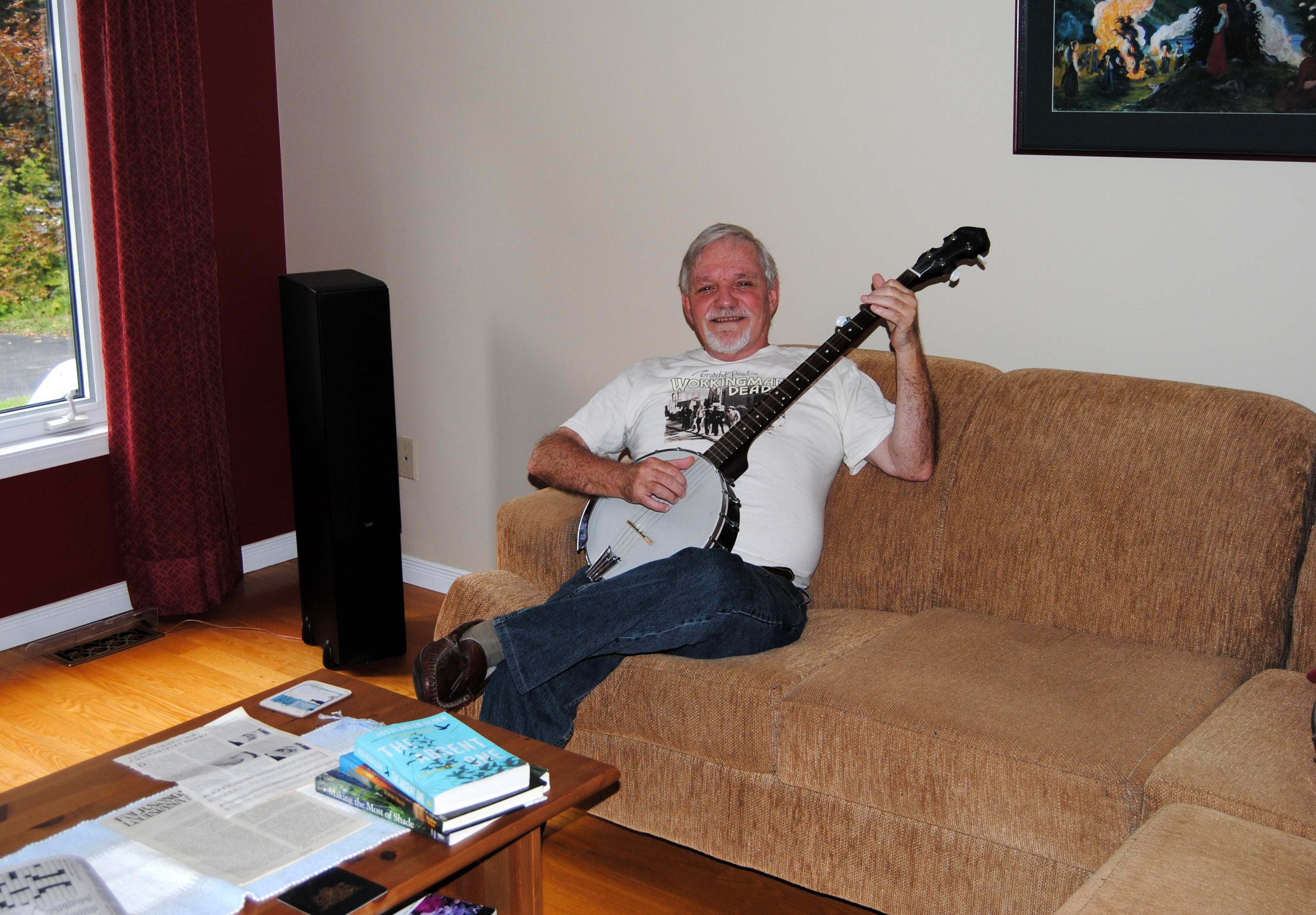
My Gold Tone banjo

My Gold Tone banjo

In some ways, my hometown of Rockland was bigger when I was a kid than it is now, even though it has fives times the population. For one thing, we had a movie theatre. With my brother and one of our cousins, I cleaned up the aisles of the theatre once a week. We weren’t paid but we could have some popcorn and coke while we cleaned up and we were each given a free pass to the movies. We couldn’t have been happier.

At that time (the mid to late 50s), I loved westerns and I still do. The movies were in black and white and everything in them was black and white. Sure, the “good guys” were great (my favourite was Randolph Scott) but the outlaws were larger than life, especially in the hands of artists like Lee Van Cleef and Jack Elam, to name but a few. They were great outlaws.

This new banjo composition also features a new instrument for me – a mandolin. This new virtual instrument, which I play with my MIDI guitar, was created by Dennis Burns of Bolder Sounds of Boulder, Colorado. For more information about their excellent line of products, visit http://boldersounds.com/

I hope to write more banjo pieces in the future since my Gold Tone banjo is aging so well. I put a towel in the resonator to make it sound more like the old timers! Enjoy.


Outlaw


posted by R.A.Seguin in Non classé and have No Comments

B3 Project – Bill Frisell’s “Throughout”

Bill Frisell’s composition “Throughout”, which he first recorded in 1983, has been revisited several times by its author in the last 30 years, both in the studio and in concert, accompanied by many fine musicians who have contributed to the song’s alluring character. It is, in my opinion, Frisell’s most soulful and spiritual composition. Its progression of diminished, major, minor and half-diminished chords is the perfect conduit for Frisell’s inspired playing which, over the years, has lifted “Throughout” to the status of a veritable jazz aria.

My version of the piece was recorded in the classic B3 trio set-up (guitar, B3 organ, drums) using my Fender Stratocaster 40th Anniversary Edition electric guitar and my Z6S MIDI guitar for the organ and percussion parts. Various influences inevitably surface in my playing and some of the organ makes me think of Procul Harum, one of my favourite bands of the 60s. I also winked at my brother Gabriel by changing Frisell’s tempo of 90 bpm (beats per minute) down to 88 bpm (Gabi played the piano, which has 88 keys).

All this music that is in me would never have been without Gabi, who took the time to teach me about

Stratocaster and Z6S

Stratocaster and Z6S

the marvelous music of the 50s, in spite of our age difference of 14 years. Thanks to him, music has defined my life and given me a sense of purpose – it is evident that I would not be who I am if Gabi had not intervened when I was 6 years old. He was a wonderful brother. This recording is dedicated to him – he has been with me “throughout.”

Like all the pieces in my B3 project, “Throughout” should be played LOUD.


Throughout


posted by R.A.Seguin in Non classé and have No Comments

A new recording of "She Moved Through The Fair"

Richard and his Godin

Richard and his Godin

“She Moved Through The Fair” is a very old Irish piece dating back to medieval times, and has been recorded by many celtic artists including a magnificent version by Van Morrison and The Chieftains. It’s a dark and atmospheric piece in modal harmony, which I’ve always loved.


She Moved Through The Fair

posted by R.A.Seguin in Non classé and have No Comments

Two new banjo pieces

I haven’t written anything for the banjo in over 35 years and now, two new pieces out of the blue. I hope it keeps up because I’ve always loved the banjo, a weird instrument of African origins that is part stringed instrument, part drum, featuring an odd 5th string that is highest in pitch because it only goes 3/4 of the way up the neck.


1. Pepère Villeneuve’s Garden

Banjo

In 1952, our family moved into our new home, bringing with us pepère Villeneuve, my maternal grandmother’s second husband and a very important member of our family. Pepère Villeneuve bought a lot adjacent to our property, which was basically a bog, and turned it into a magnificent garden. He built a high retaining wall at the base of a rocky slope which made up one side of the lot and created a flat surface half way up the slope where he grew his corn. The lowlands were all potatoes, irrigated by a small stream that cut through the lot. The upper areas were for carrots, cucumbers, cabbages and turnips, which he waxed himself. Pepère Villeneuve, strong as an ox, did this all by hand when he was in his late eighties and early nineties. He stored his vegetables in our root cellar, which always had that good smell of the earth. All of this to say that I was a very fortunate boy, living in a small rural community, surrounded by supportive brothers and sisters, hard-working parents, and of course, pepère Villeneuve, a man from a previous time.

Pepère Villeneuve’s Garden

2. Slowpoke

Richard in 1956

Richard in 1956

When I first started kindergarten my mother walked with me to school the very first morning, a distance of about a mile along the main street. After that I was on my own! Nobody drove their kids to school (very few people had cars) and there were no school buses back then. Also, Rockland was a small rural community where people looked out for each other, a far cry from the norm these days. Although walking to school was serious business (I HAD to be on time), walking back home was my first taste of freedom. I was curious by nature and everything fascinated me so I frequently stopped along the way to ponder this and ponder that. My mother sometimes sent my brother Gabriel to see where I was on my journey and it was he who nicknamed me « courte-patte », literally « short-paw », which I’ve liberally translated here as « Slowpoke. »

Slowpoke


posted by R.A.Seguin in Non classé and have No Comments